The Cognac appellation is divided into six distinct growing regions called crus, each with unique characteristics that influence the final spirit.
From the chalky soils of Grande Champagne to the coastal terroir of Bois Ordinaires, each cru brings distinct qualities to the cognacs it produces — the official cognac region map below shows exactly where each one sits relative to the others.
Source: www.cognac.fr (Bureau National Interprofessionnel du Cognac)
Explore cognac houses on the interactive map
Cognac is one of the only spirits in the world whose growing land is written directly into law. The Cognac production area was delimited in 1909. The boundaries of its six growing areas, called crus, were defined by the decree of 13 January 1938, following earlier research into their soils and eaux-de-vie. According to the Bureau National Interprofessionnel du Cognac (BNIC), the official body that regulates the appellation, that soil is what ultimately decides how an eau-de-vie ages, how long it needs in oak before it tastes balanced, and how it will taste in the glass decades later.
The word "Champagne" in Grande Champagne and Petite Champagne has nothing to do with the sparkling wine region further north — it comes from the old French champ, meaning an open, chalky field. Mixing up the two is one of the most common mistakes new cognac drinkers make, and it's worth clearing up early: cognac's Champagne crus are named for their chalk, not their bubbles.
Grande Champagne sits at the heart of the appellation and is widely regarded as its finest cru. Its dense, chalky limestone soil forces vines to struggle for water, concentrating flavor in the grapes and producing eaux-de-vie that are floral and structured when young but take decades to fully open up. Bottles built around Grande Champagne are usually the ones that justify a premium XO or older price tag — the terroir rewards patience more than any other cru in Cognac.

Available
Courvoisier XO Royal
700ml
91,00
40%
(1 votes)

Available
Martell XO 700ml
700ml
86,00
40%
(4 votes)

Available
Frapin XO VIP
700ml
86,00
40%
(3 votes)
Petite Champagne borders Grande Champagne to the south and shares the same chalk-rich soil family, just with a slightly less concentrated profile. On its own, it produces cognac that is floral and fruity with real aging potential, though a touch rounder and quicker to soften than its northern neighbor. Most often, though, Petite Champagne eaux-de-vie end up blended with Grande Champagne — a pairing with its own name, which we cover further down.

No current offers
Audry Réserve Spéciale
700ml
86,00
40%
(2 votes)

Available
Courvoisier XO 700ml
700ml
85,50
40%
(4 votes)

Available
Courvoisier VS 700ml
700ml
78,33
40%
(3 votes)
Borderies is the smallest of the six crus by a wide margin, and the only one with clay- and flint-heavy soil rather than pure chalk. That difference shows up directly in the glass: Borderies eaux-de-vie mature faster than Grande or Petite Champagne and carry a rounder, softer texture with a signature note of violet and toasted nuts. Because it's so scarce, a bottle built primarily around Borderies is unusual — most producers use it in small proportions to add aromatic lift to a blend.

Available
Martell Cordon Bleu XO 700ml
700ml
87,00
40%
(2 votes)

Availability unknown
Martell Cordon Bleu Extra
700ml
87,00
40%
(1 votes)
Available
Martell XO 700ml
700ml
86,00
40%
(4 votes)
Fins Bois is commonly cited as the largest cru by planted area, wrapping around the Champagne crus in a wide ring. Its soil is more varied — clay and limestone mixed with harder rock — which produces eaux-de-vie that mature quickly and lean fruity and supple rather than structured. This is the cru you'll find behind most VS and VSOP bottlings — approachable, fresh, and rarely the star of the label, but doing a lot of the everyday work in the glass.
Available
Courvoisier XO Royal
700ml
91,00
40%
(1 votes)
Available
Courvoisier VS 700ml
700ml
78,33
40%
(3 votes)
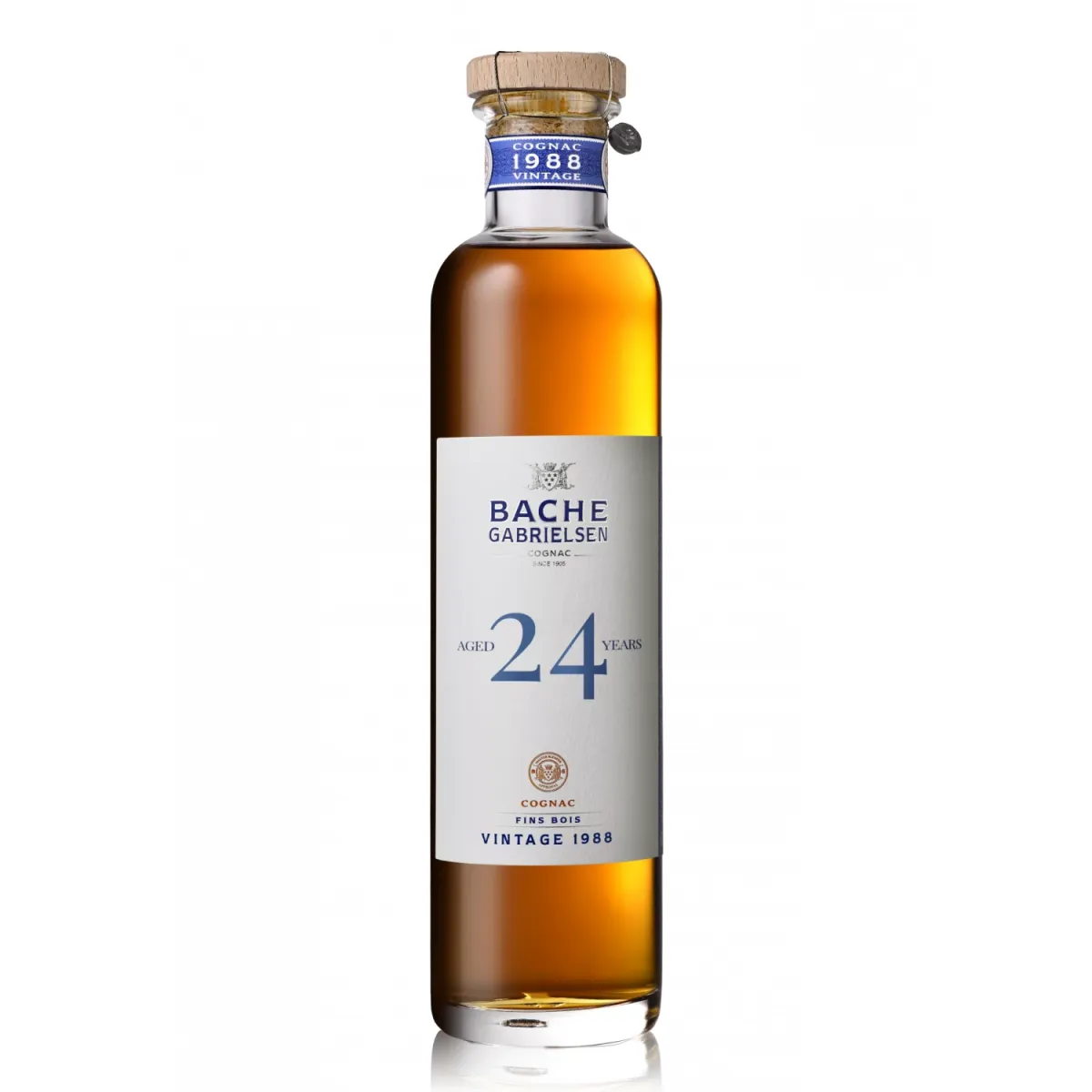
Out of stock
Bache Gabrielsen 24 Years Old (1988)
700ml
—
40.8%
(0 votes)
Bons Bois surrounds Fins Bois in mixed clay and limestone soil that produces bolder, more rustic eaux-de-vie with pronounced fruit character. It matures quickly and rarely carries the finesse of the Champagne crus, but that's not a weakness — it makes for honest, expressive cognac that over-delivers relative to price, especially in younger blends.
Available
Courvoisier VS 700ml
700ml
78,33
40%
(3 votes)

Available
Courvoisier VS 750ml
750ml
—
40%
(0 votes)

Available
Gautier XO
700ml
—
40%
(0 votes)
Bois Ordinaires is the outermost cru, planted on sandy, maritime-influenced soil along the Atlantic coast. Its eaux-de-vie mature the fastest of the six and carry an earthy, breezy character shaped by the sea air. Rarely bottled alone, it's almost always a supporting player in a blend — but a distinct one, adding a coastal note that none of the inland crus can replicate.

No current offers
Grosperrin 18 years Bois Ordinaires de l'Ile d'Oléron
700ml
—
51.5%
(0 votes)

No current offers
Louis Pearl XO
700ml
—
40%
(0 votes)

No current offers
Vignerons VSOP Isle de Ré
700ml
—
40%
(0 votes)
Fine Champagne isn't a cru — it's a legally protected blend designation. To carry the name, a cognac must be made from at least 50% Grande Champagne eaux-de-vie, with the balance from Petite Champagne and nothing else. In practice, it's a way for a house to combine the structure of Grande Champagne with the slightly softer, quicker-opening character of Petite Champagne in a single bottle, without having to choose one over the other.

Out of stock
Audry Mémorial
700ml
88,00
42%
(1 votes)
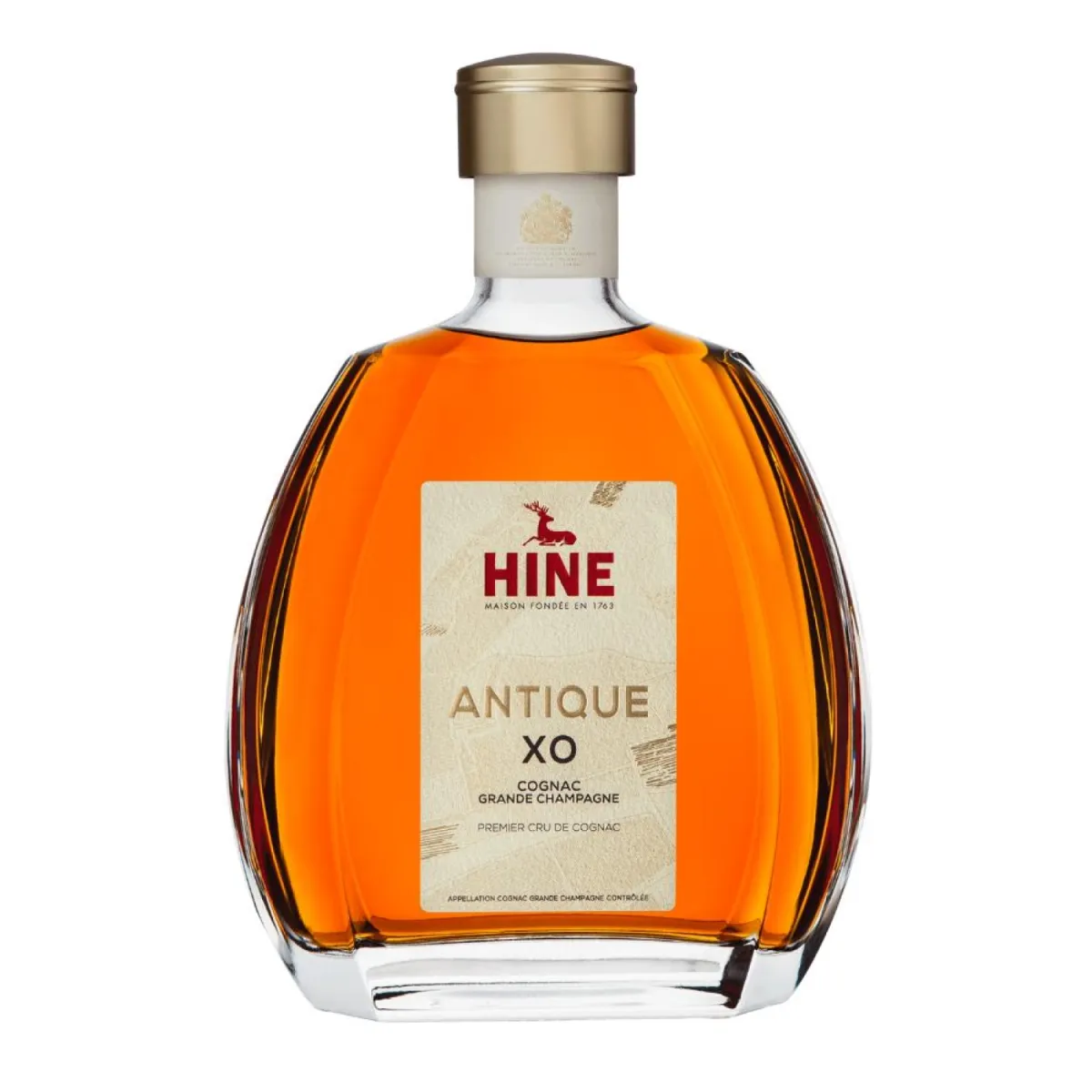
Available
Hine Antique XO
700ml
87,00
40%
(1 votes)
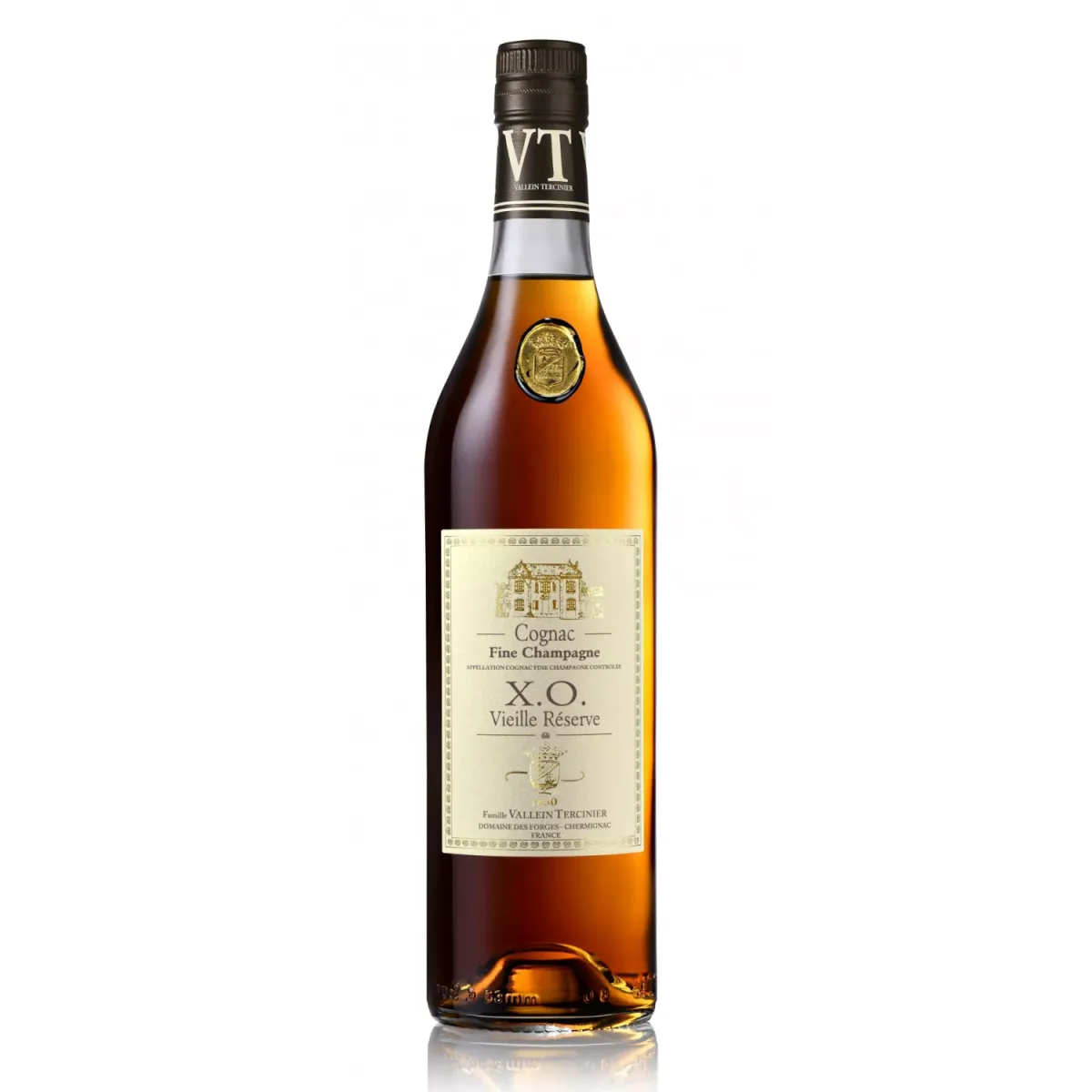
No current offers
Vallein Tercinier XO Vieille Reserve
700ml
86,00
40%
(1 votes)
Both crus share the same chalky limestone family, and side by side, the difference is more a matter of degree than of kind. Grande Champagne sits on the purest, most concentrated chalk and needs the most time in oak to soften — which is exactly why it ages into the most complex, long-finishing cognacs in the appellation. Petite Champagne sits just south on slightly less concentrated chalk, so its eaux-de-vie mature a little faster and read as rounder and more floral at a comparable age. Neither is objectively better — Grande Champagne rewards patience and typically commands a higher price, while Petite Champagne offers much of that same elegance sooner and for less.
Terroir is a useful starting point, but it's only half the story — the same cru can taste different in the hands of two different houses, and age classification changes the picture again. The most reliable way to actually compare cognacs across regions is to check how bottles have rated with real drinkers, rather than relying on the label alone. Browse the full cognac catalog on Cognac Nation to filter by sub-region and see how each bottle scores on the community's 0–100 rating scale before you commit to one.
| Cru | Soil | Character | Maturation | Best for |
|---|---|---|---|---|
| Grande Champagne | Pure chalk & limestone | Floral, elegant, structured | Slowest — decades | XO, long-aged bottlings |
| Petite Champagne | Chalk, slightly less concentrated | Floral, fruity, rounder | Faster than Grande Champagne | Fine Champagne blends, VSOP–XO |
| Borderies | Clay and flint | Round, nutty, violet notes | Faster than the Champagne crus | Blending, aromatic lift |
| Fins Bois | Mixed clay and limestone | Fruity, supple | Fast | VS, VSOP everyday bottlings |
| Bons Bois | Mixed clay and limestone | Bold, rustic fruit | Fast | Value bottlings, young blends |
| Bois Ordinaires | Sandy, coastal | Earthy, breezy | Fastest of the six | Blending only, rarely standalone |
| Fine Champagne | Grande + Petite Champagne (min. 50% Grande) | Structured, earlier approachability | Between Grande and Petite Champagne | Balanced VSOP–XO blends |
The six crus are Grande Champagne, Petite Champagne, Borderies, Fins Bois, Bons Bois, and Bois Ordinaires. The Cognac production area was delimited in 1909; the boundaries of its crus were defined by the decree of 13 January 1938. Each cru produces eaux-de-vie with a distinct character.
No. The name comes from the old French word for an open, chalky field, not the sparkling wine region further north. Grande Champagne and Petite Champagne are named for their chalk-rich limestone soil, which is what gives cognac from these crus its long aging potential.
Grande Champagne is generally considered the most prestigious cru because its chalky soil produces the most structured, longest-aging eaux-de-vie. That said, "best" depends on style: Fins Bois and Bons Bois cognacs mature faster and often deliver more immediate, fruit-forward drinking at a lower price.
Fine Champagne is not a cru — it is a legally protected blend designation for cognac made from at least 50% Grande Champagne eaux-de-vie, with the remainder from Petite Champagne. It combines the finesse of both premier crus in a single bottle.
Borderies is the smallest of the six crus, with clay- and flint-rich soil unlike anywhere else in the appellation. That terroir produces rounder, softer eaux-de-vie with a distinctive violet and nutty character, which is why Borderies cognac is often prized for blending even in small proportions.
