


Every letter on a cognac label is a legal claim, not a marketing flourish. VS, VSOP, and XO each guarantee a specific minimum aging time, enforced by the Bureau National Interprofessionnel du Cognac (BNIC), the regulatory body for the region. A producer can't put "XO" on a bottle that's only spent four years in oak — the classification system exists specifically so that claim can't be faked.
Here's what each letter actually requires, what it tends to taste like, and how to pick between the different types of cognac without relying on price alone.
The Cognac Classification System, at a Glance
Written out in full, the hierarchy runs VS VSOP XO — with Napoleon and XXO filling in the gaps most drinkers don't realize exist.
| Classification | Minimum aging | Typical character |
|---|---|---|
| VS (Very Special) | 2 years | Fresh, fruity, some spice — youthful and direct |
| VSOP (Very Superior Old Pale) | 4 years | Dried fruit, vanilla, toasted wood, more roundness |
| Napoleon | 6 years | Mellower, nutty, figs, softer spice |
| XO (Extra Old) | 10 years | Candied fruit, chocolate, oak, spice — layered and complex |
| XXO (Extra Extra Old) | 14 years | Rancio, tobacco, honey, antique wood — deep and rare |
These cognac grades are minimums, not targets — a house's actual VSOP blend is often aged well past four years, and the number on the label reflects the youngest eau-de-vie in the blend, not the average. A "VSOP" that's mostly 12-year-old spirit with a splash of 4-year-old is still labeled VSOP.
VS: Very Special
VS requires a minimum of 2 years aged in French oak, and it's the entry point into cognac — younger, brighter, and less expensive than everything above it. Expect fresh fruit, grape, pear, and a light spice edge rather than deep oak character. It's also the classification cognac houses build specifically to survive being mixed — VS is what goes into a sidecar or a cognac and soda, not what most people sip neat to evaluate a house's craftsmanship.


VSOP: Very Superior Old Pale
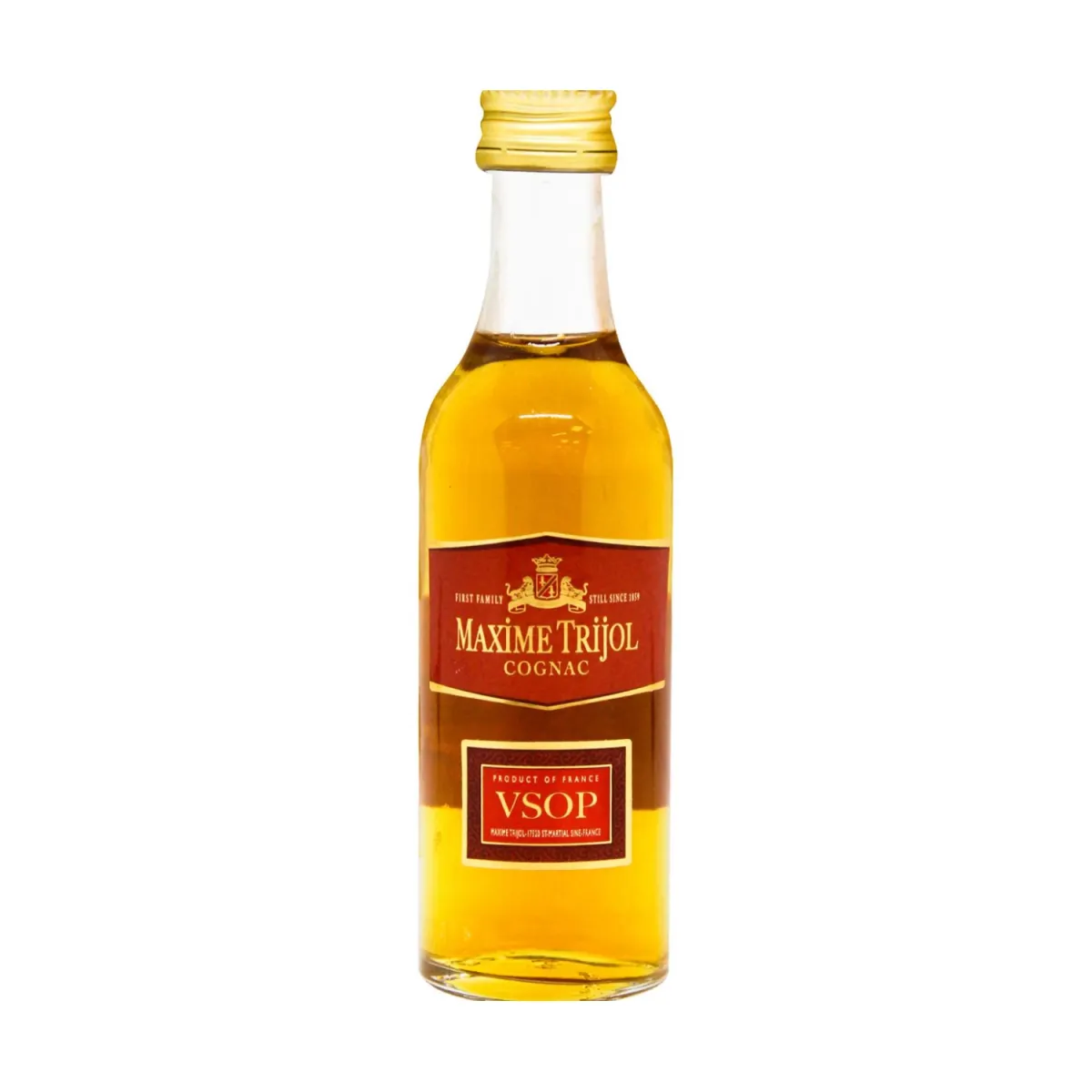
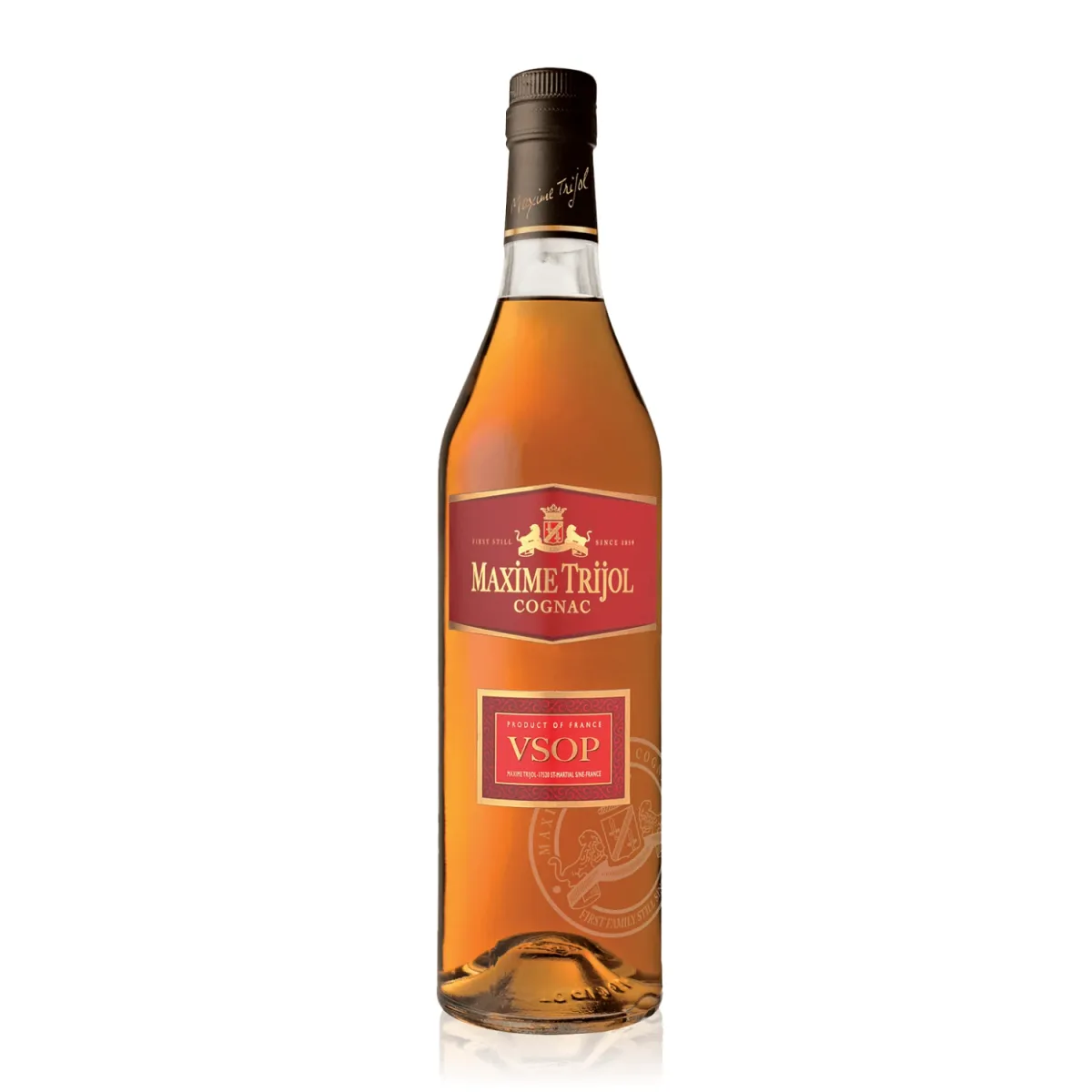
What is VSOP cognac, in practical terms? VSOP steps up to a minimum of 4 years, and it's where most drinkers land as their everyday sipping cognac. The extra time in oak brings in dried fruit, vanilla, and a rounder, less sharp mouthfeel than VS, while staying accessible enough to drink often without needing to think too hard about it. It's the middle ground — mature enough to sip neat and evaluate properly, not expensive enough to feel like an occasion bottle.

XO: Extra Old
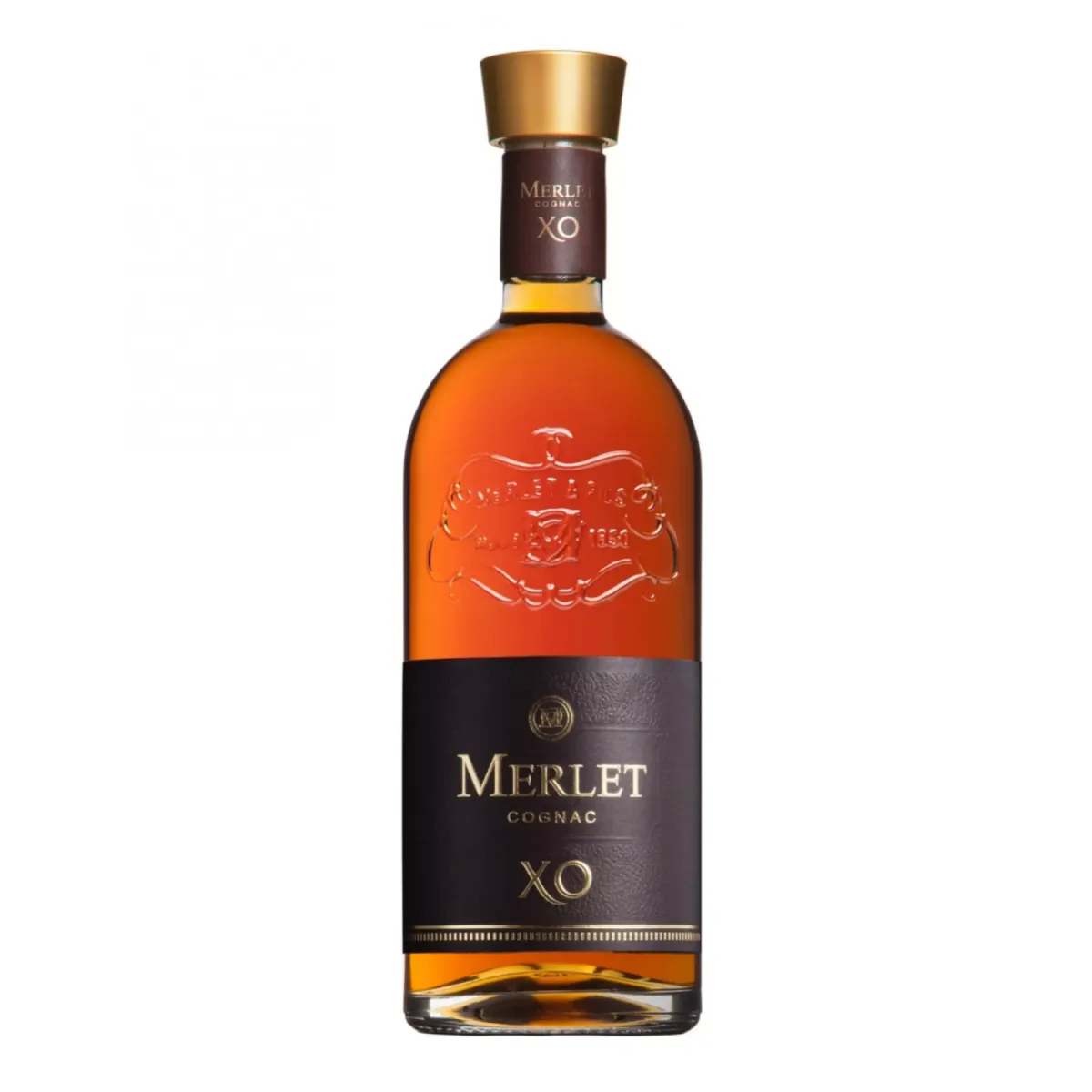
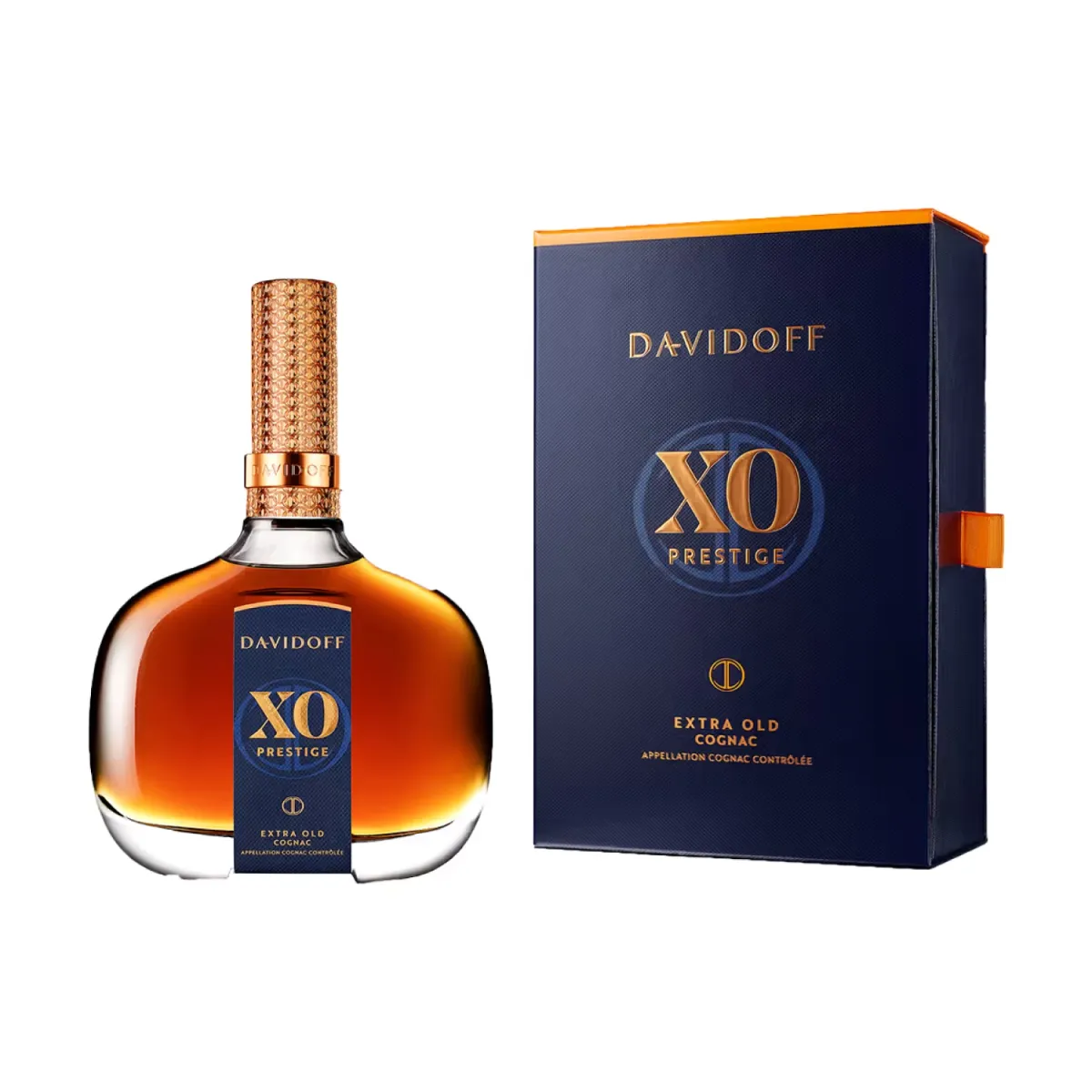
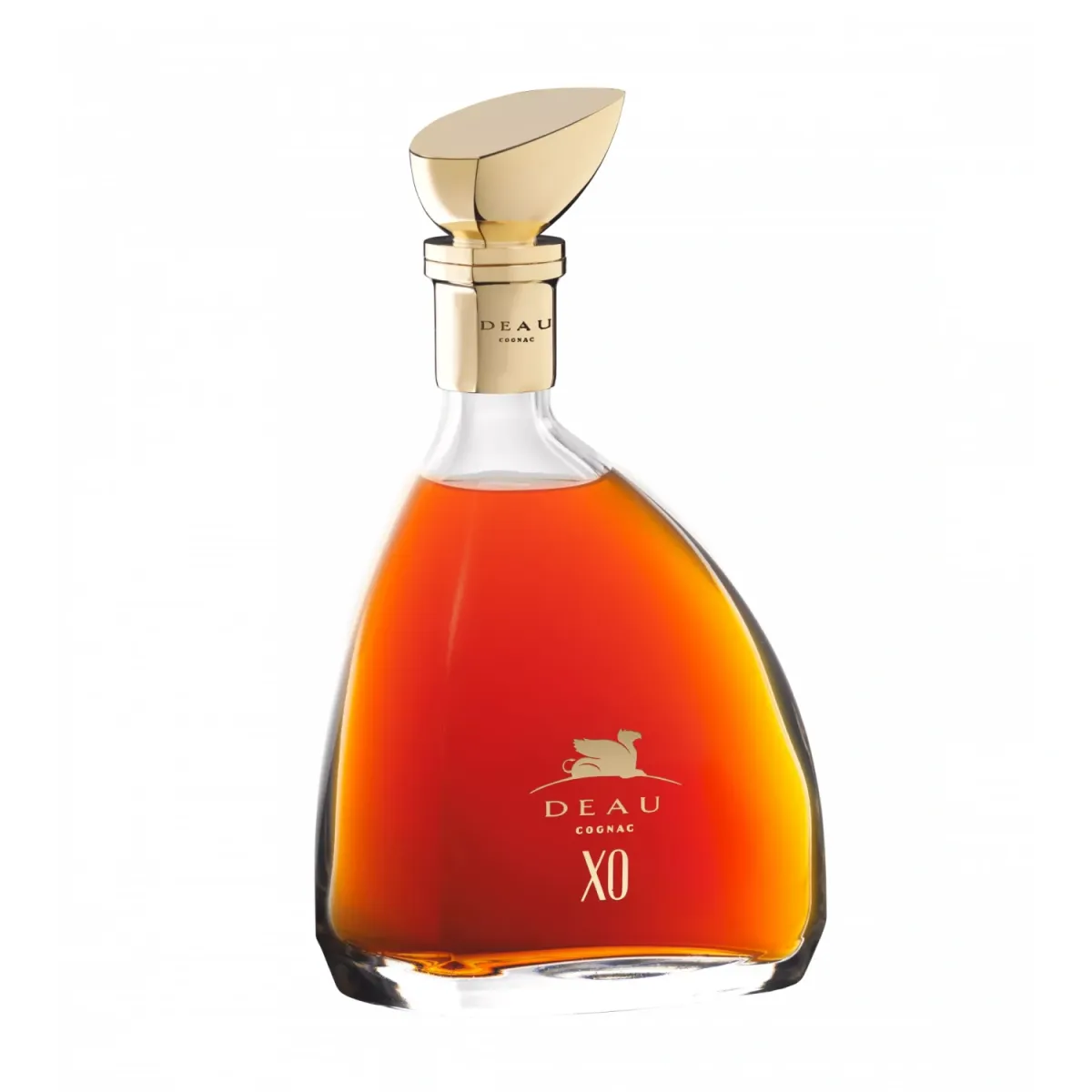
What is XO cognac, and what does XO cognac mean on a label? XO requires a minimum of 10 years — a rule the BNIC actually tightened in 2018, raising it from the previous 6-year minimum specifically to protect the category's reputation as older bottlings became more common at the entry level. At that age, expect candied fruit, chocolate, deep oak, and spice layered in a way that's genuinely hard to get from a younger spirit — this is the tier most people reach for when they want to actually taste what long barrel aging does to a cognac, not just drink it.
Beyond XO: Napoleon, XXO, and Extra
Napoleon sits between VSOP and XO at a minimum of 6 years, historically the tier just below what's now the modern XO minimum. It's a useful middle step if XO's price jump feels steep but VSOP feels too young for what you're after.
XXO is the newest official tier, requiring a minimum of 14 years and formalized by the BNIC alongside the 2018 XO change. Below rancio — a nutty, slightly savory note that only shows up after very long aging — and deep antique-wood character define this tier; it's built for collectors as much as drinkers.
Terms like "Extra" and "Hors d'Age" ("beyond age") don't map to one fixed legal minimum the way VS through XXO do, but in practice they're used by houses for blends that exceed even XO's requirement — often their oldest, most limited reserve. Treat them as "at least as old as XO, and usually older," rather than a precise number.
Does Older Always Mean Better?
Not automatically. Age classification guarantees a minimum amount of oak contact, not a guaranteed improvement in every dimension people care about. A skilled house's VSOP, blended with care from well-chosen eau-de-vie, can outtaste a mediocre XO from a house that's coasting on the label. What the classification system reliably tells you is how much time went into the blend — not whether that time was spent on excellent spirit or merely adequate spirit.
The other wrinkle: age classification and vintage cognac are different systems entirely. A vintage cognac states the actual harvest year rather than a minimum-age tier, and isn't blended across multiple years the way VS through XXO typically are. It's a different way of communicating age, not a classification that slots above or below XO.
How to Pick Between Them
Not sure which cognac levels actually fit your budget? Match the bottle to what you're actually going to do with it. Mixing cocktails or keeping something around for casual, frequent pours — VS. An everyday sipping bottle that's still genuinely worth tasting neat — VSOP. Something to sit with slowly, evaluate seriously, or bring out for a specific occasion — XO or older. Buying the oldest, most expensive VS VSOP XO cognac you can afford doesn't guarantee the best experience if what you actually wanted was a $40 mixer for weekend cocktails.
The fastest way to check whether a specific bottle lives up to its classification is seeing what people who've actually opened it think. On Cognac Nation, members rate and review bottles on a 0–100 scale across every classification, so you can compare a VSOP you're considering against XO bottles at a similar price before you buy. Browse the full cognac catalog filtered by grade, or explore how Cognac's growing regions shape the character behind the age statement.
Frequently Asked Questions
What do VS, VSOP, and XO actually stand for?
VS is Very Special, VSOP is Very Superior Old Pale, and XO is Extra Old. Each name corresponds to a minimum legal aging requirement set by the BNIC — 2, 4, and 10 years respectively — not just a style label.
Is XO always better than VSOP?
Not automatically. XO guarantees more time in oak, which usually means more depth and complexity, but quality still depends on the house and the specific blend. A well-made VSOP can outperform a mediocre XO.
What is the minimum age for XO cognac?
10 years, as of a 2018 BNIC rule change. Before that, the XO minimum was 6 years — bottles labeled XO today are held to a stricter standard than they were a decade ago.
What's the difference between Napoleon and XO cognac?
Napoleon requires a minimum of 6 years aging, while XO requires 10. Napoleon sits between VSOP and XO in both age and typically in price, offering more depth than VSOP without XO's full cost.
Is a vintage cognac the same thing as XO?
No. Vintage cognac states an actual harvest year rather than a minimum-age tier, and it isn't a blend across multiple years the way VS through XXO usually are. A vintage bottle could be younger or older than 10 years — the label is communicating something different from the standard classification system.